Things to Do in Kyoto and Nara
A thousand years of imperial history in temples, gardens and lantern-lit streets.
See top-rated activities »About Kyoto
Kyoto was Japan's capital from 794 until 1868, and it was largely spared bombing in World War II, so its temples, shrines and old wooden neighborhoods survive in remarkable numbers. Seventeen of them are listed together as a UNESCO World Heritage Site. The city is compact but its sights are spread around the edges, so buses, trains and walking all play a part.
Fushimi Inari Taisha, in the south, is known for its tunnels of thousands of vermilion torii gates winding up a wooded mountain; go at dawn, or keep climbing past the first crowded stretch. In the east, Kiyomizu-dera stands on a huge wooden platform above the city, reached by the sloping lanes of Sannenzaka and Ninenzaka. Kinkaku-ji, the Golden Pavilion, gleams above its pond in the north, and Ryoan-ji nearby has the country's most famous rock garden.
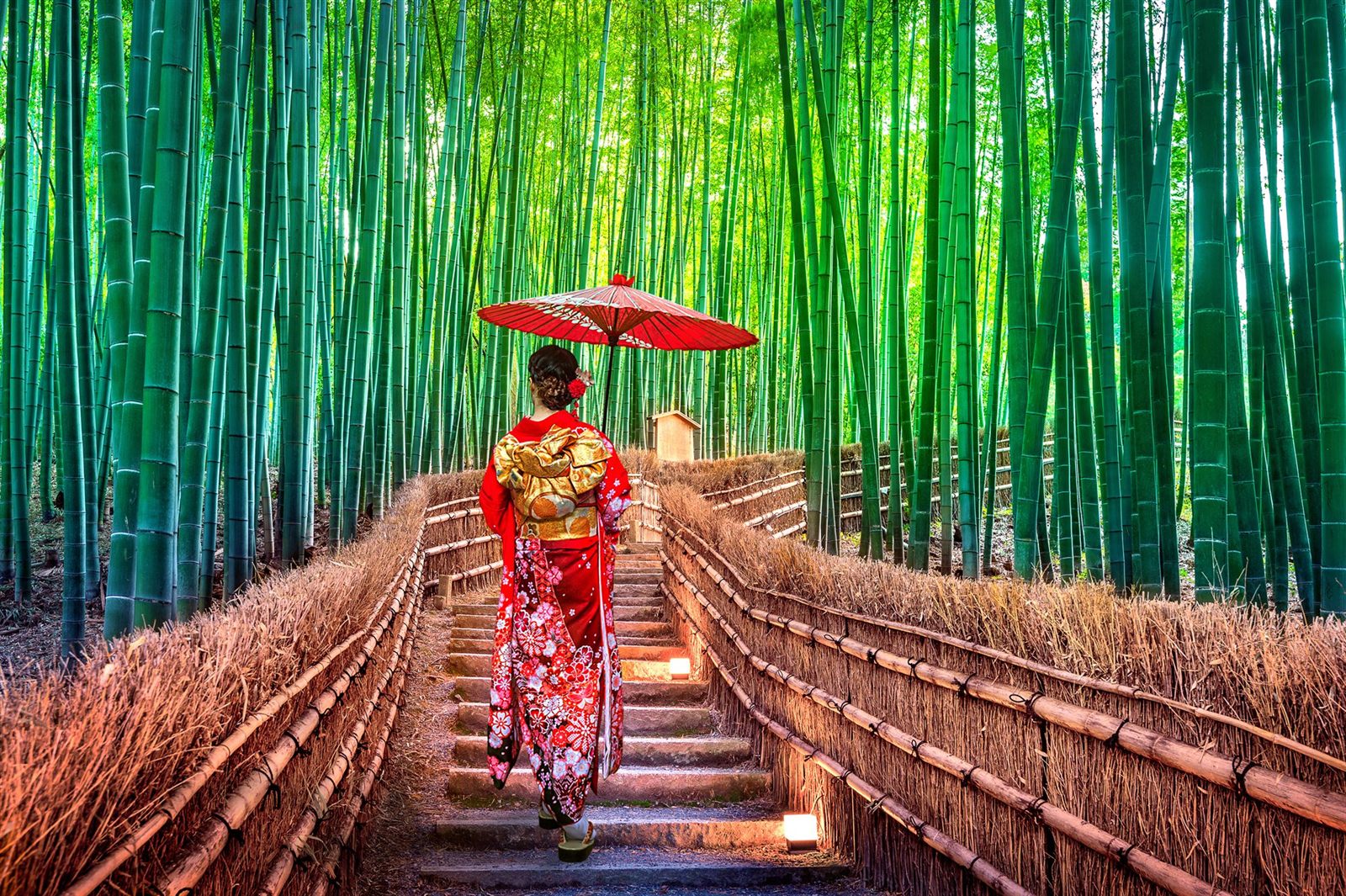
Gion, the old entertainment district, is where geiko and maiko, Kyoto's geisha and apprentices, still work in teahouses; parts of it now restrict photography and entry to private lanes, so respect the signs. Pontocho is a narrow lantern-lit alley of restaurants beside the Kamo River, and Nishiki Market, five blocks of food stalls, is a good place to sample pickles, tofu and sweets. In the west, Arashiyama has the bamboo grove, the Zen temple of Tenryu-ji and a hillside park of macaques.
Nara, under an hour away by train, was the capital before Kyoto. Its park is home to more than a thousand free-roaming deer, considered sacred messengers, and Todai-ji's great hall houses a bronze Buddha about 15 meters tall. Kyoto is at its most beautiful, and most crowded, during the cherry blossoms in early April and the autumn leaves in November. Staying a night in a ryokan, a traditional inn with tatami rooms and a multi-course dinner, and joining a tea ceremony are two of the most memorable ways to slow down here.
Don’t Miss
Thousands of vermilion torii gates on trails up Mount Inari.
A wooden temple on a stage above the city, with views over Kyoto.
Top-Rated Tours, Tickets & Activities in Kyoto
 Viator
 Viator
 Viator
 Tiqets
 Viator
 Viator
 Viator
 Tiqets
 Viator
 Viator
 Viator
 Tiqets
 Viator
 Viator
 Viator
 Tiqets
Tours, tickets, prices and reviews from Viator (a Tripadvisor company) and Tiqets — prices are per person, from, and were checked October 28, 2026. See & Do Asia may earn a commission when you book, at no extra cost to you.
Plan your time in Kyoto
Tell us when you are coming and what you enjoy. A travel specialist will put together hotel, activity and travel options for you — free, with no obligation.
Get free trip quotes »Kyoto — FAQ
How do I get from Tokyo to Kyoto?
By Tokaido Shinkansen bullet train, a little over two hours on the fastest services. Trains run very frequently through the day.
How can I avoid the crowds in Kyoto?
Start very early at the big sights, visit in winter or early summer, and spend time in quieter areas such as Ohara or the northern temples.
Can I see geisha in Kyoto?
You may see geiko and maiko walking to appointments in Gion in the evening. Do not block their way or photograph them without permission; some lanes now ban photography.
More of Asia